All The Amazing Things
A Creative Sandbox
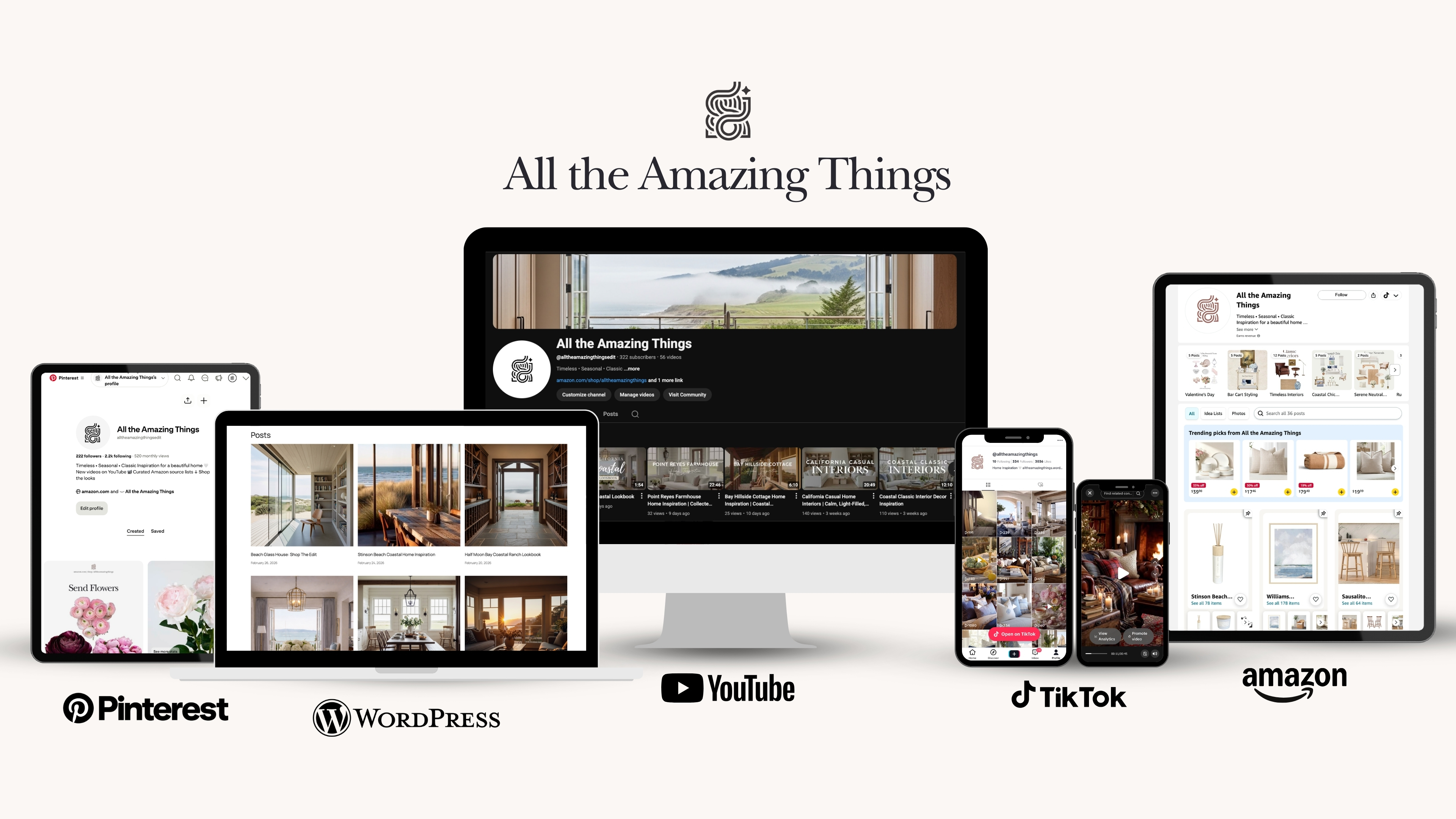
All The Amazing Things is my visual design creative outlet—a side project where I experiment with AI generators to create beautiful interior design imagery, and then figure out how to bring those digital concepts into the real world.
How It Works
I built this as a fun project that connects digital inspiration to actual e-commerce:
- Designing with AI: I use various AI image and video generators to create moody, aspirational interior design scenes that I genuinely love.
- Visual Search: I take screenshots of those AI designs and run them through visual search shopping apps to hunt down the absolute closest real-world, purchasable furniture and decor.
- Connecting to Commerce: I combine my AI imagery with those curated lists of affiliate links, packaging them into shoppable posts so people can actually buy the items to recreate the spaces.
Generative Output Examples
A curated lookbook exploring classic design elements, material accuracy, and enduring interior aesthetics.
View the full Timeless Interiors playlist on YouTube ↗
While the focus is on interiors and environmental design, my generative explorations occasionally cast a wider net into fashion and editorial apparel and music.
View the full unlisted Fashion with AI playlist on YouTube ↗
The Skills Involved
Keeping it running requires a hybrid skillset:
- Visual Craft: Art directing the AI outputs to maintain a strict, cohesive aesthetic.
- Tech & Tinkering: Setting up front-end web architecture and experimenting with new interactive mediums (like my LORA-created AI digital host, Astrid built with RunwayML).
- Organizing Information: Taking raw, creative inspiration and mapping it cleanly into a structured, shoppable format.
AI Digital Host Integration: Astrid
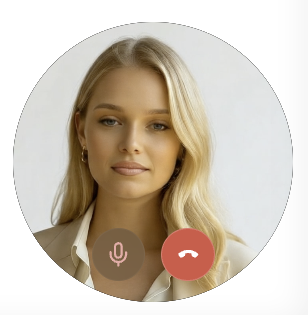
To create a more immersive user experience, I created a live conversational interface featuring the brand's custom AI persona, Astrid. This integration successfully merges consistent visual character design with RunwayML technology.
Astrid functions as an interactive, animated AI character. While the chatbot is still in beta, she is fully expressive—capable of seeing your screen, speaking, and listening. Her behavior is guided by a customized knowledgebase and strategic scripting.
The Takeaway
This project is one example of how to quickly learn new technologies, balance high-level visual craft with organized data (JSON and Markdown Taxonomy Data), and turn fun creative concepts into functional, live experiences from the ground up, while owning the whole workflow.